Imagine enjoying the sweet aroma of roses from your garden while you sip tea in a bistro-style outdoor setting under the shade of a cosy patio.
The romantic, abundant charm of a cottage garden doesn’t have to be confined to the rolling countryside of England. In fact, many Australians from metropolitan and rural areas are integrating cottage-style gardens into their homes.
With thoughtful plant selection and the right structural elements, you can create a flourishing cottage-style garden that thrives in Australia’s diverse climate zones, especially in the beautiful subtropical conditions of South East Queensland.
A cottage garden is more than just a collection of pretty plants; it’s a celebration of abundance, fragrance, and natural beauty that welcomes both people and wildlife. When paired with the right patio structures, you won’t want to leave your cottage garden for the indoors ever again.
View this post on Instagram
Understanding Cottage Garden Style
Traditional cottage gardens emerged from necessity, where workers’ cottages were surrounded by practical collections of food, herbs, and ornamental plants. Today’s cottage garden style maintains that spirit of abundance and connection with nature while adapting to modern Australian lifestyles.
The key principles include:
- Informal, relaxed design with plants spilling over pathways
- Dense plantings that create a tapestry of colour and texture
- Mixing of edibles and ornamentals: herbs, vegetables, and flowers together
- Seasonal interest with plants flowering at different times
- Fragrance and sensory appeal through aromatic herbs and scented flowers
- Wildlife-friendly plantings that attract birds, bees, and butterflies
Cottage Garden Plants for South East Queensland

Creating a successful cottage garden in SEQ means selecting plants that can handle the region’s warm, humid summers and mild winters. Here are the proven performers that will give you that coveted cottage garden look while thriving in your local conditions.
Perennial Powerhouses
Salvias are absolutely essential for the subtropical cottage garden. These hardy perennials provide colour from autumn through spring, with varieties like Mexican Mint Marigold (Tagetes lemmonii) offering both beautiful flowers and culinary uses. The larger perennial salvias can reach 2m high and wide, creating substantial backbone plantings.
French Lavender (Lavandula dentata) is far superior to English varieties in humid conditions. This grey-green beauty flowers from mid-winter through early summer and tolerates Queensland’s humidity beautifully. Plant it where its fragrance can be appreciated and don’t forget the gardener’s trick of adding lime around the base in midsummer.
Verbena bonariensis creates stunning vertical accents with its upright stems topped by clusters of purple flowers. At 60-150cm tall, it’s perfect for the back of borders and self-sows readily to create natural drifts.
Paper Daisies (Xerochrysum bracteatum) bring native Australian charm to the cottage garden with their distinctive papery texture and bright colours. They flower prolifically and make excellent cut flowers.
Cranberry Hibiscus (Hibiscus acetosella) offers both ornamental and edible value with deeply cut red foliage and rose-pink flowers. The young leaves add a pleasantly tart flavour to salads.
Structural Shrubs
Brunfelsia latifolia ‘Yesterday, Today and Tomorrow’ provides year-round interest with fragrant flowers that change from purple to lavender to white over three days.
Rondeletia amoena signals spring’s arrival with lightly scented pale pink blooms. This hardy shrub grows 2-3m tall and provides an excellent backdrop for smaller cottage plants.
Camellia sasanqua varieties offer autumn and winter flowers when many other plants are resting. Choose varieties that suit your space, from compact forms to larger specimens.
Escallonia species provide masses of spring and summer flowers in white, pink, or red. These drought-tolerant shrubs grow to 2m and are perfect for creating a cottage garden structure.
Ground Cover Gems
Brachyscome (Swan River Daisy) creates spectacular ribbons of colour with mauve, purple, white, or blue blooms throughout spring and summer.
Scaevola (Fan Flower) makes impressive groundcover when planted en masse. It offers continuous colour and attracts beneficial insects.
Hardenbergia provides both climbing and groundcover options with deep-green leaves and pea-shaped flowers in violet, pale pink, or white appearing in late winter to early spring.
Native Cottage Additions
Australian natives can seamlessly blend into cottage garden style. Consider these beautiful options:
Grevilleas in varieties like ‘Misty Pink’, ‘Moonlight’, or ‘Mt Tamboritha’ provide nectar for birds while offering cottage garden appeal.
Coastal Rosemary (Westringia longifolia) creates soft, informal hedging with needle-like grey-green foliage and small white flowers.
Thryptomene and Leptospermum species add delicate flowers and fine foliage texture that complements traditional cottage plants beautifully.
Design Principles for Success
Creating Abundance
The cottage garden aesthetic relies on generous plantings that create a sense of abundance. Plant in odd-numbered groups of three or five, allowing plants to grow into each other to blur boundaries. Let flowers spill over pathways and encourage self-seeding annuals to create natural drifts.
Seasonal Planning
Plan for year-round interest by choosing plants that flower in different seasons. Camellias and lavender for winter, salvias and verbena for autumn and spring, and heat-tolerant annuals for summer colour.
Vertical Layers
Create depth with plants of varying heights. Use tall perennials like verbena and large salvias at the back, medium shrubs like escallonia and brunfelsia in the middle, and low groundcovers and bulbs at the front.
Adapting to Climate
In SEQ’s subtropical conditions, provide afternoon shade for plants that prefer cooler conditions. Position cottage gardens on the eastern side of structures where they receive morning sun but are protected from the harsh afternoon heat.
Patio Structures That Enhance Cottage Gardens

The right patio structure can transform your cottage garden from beautiful to utterly magical. These structures provide practical benefits while adding architectural interest that complements the informal cottage style.
Open Roof Pergolas
Open roof pergolas are perfect for cottage gardens because they provide partial shade while maintaining an airy, informal feel. The open rafters allow climbing plants to weave through the structure, creating the romantic, overgrown look that cottage gardens are famous for.
Benefits for cottage gardens:
- Dappled light perfect for many cottage plants
- Support for climbing roses, clematis, or jasmine
- Creates intimate spaces within the larger garden
- Frames garden views beautifully
Design considerations:
- Choose natural materials like cedar or treated pine for authenticity
- Space rafters to allow 50% light penetration
- Consider 3m x 4m or 4m x 4m sizes for intimate seating areas
Freestanding Garden Patio Covers
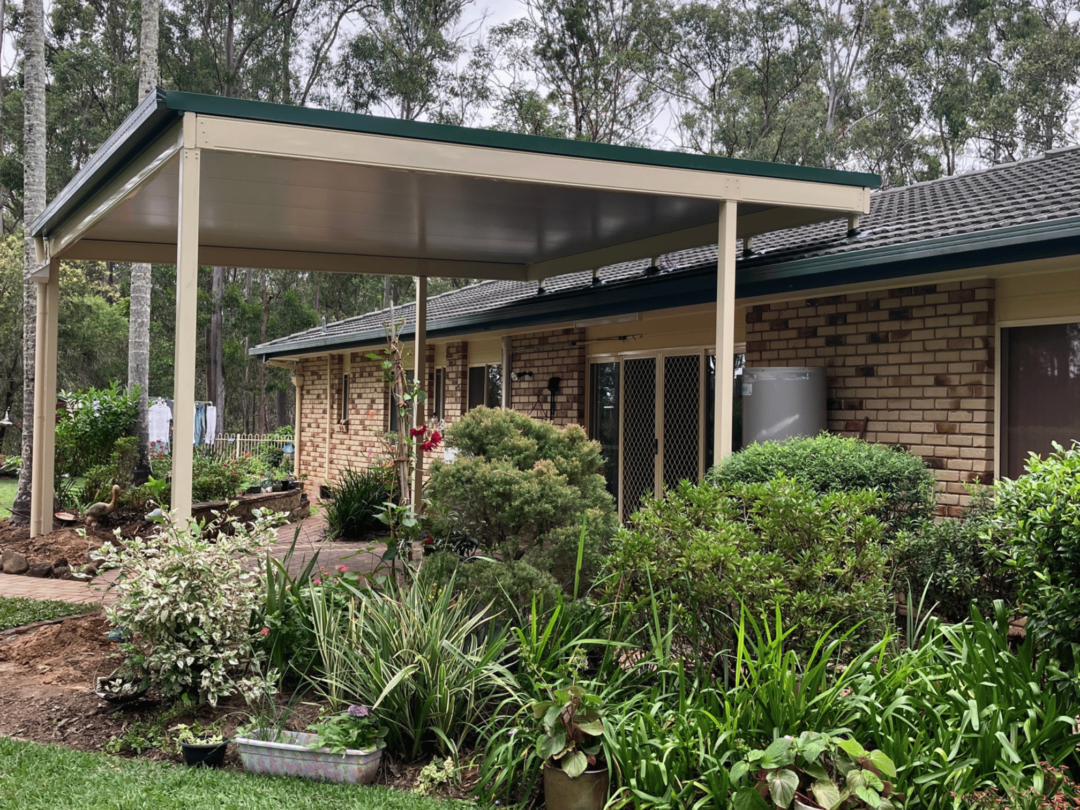
Freestanding structures allow you to position your covered area exactly where it works best with your cottage garden design. These can create destination spots within the garden or provide shelter for outdoor dining surrounded by fragrant plantings.
Advantages include:
- Flexibility in positioning to complement garden layout
- Can be surrounded by plantings on all sides
- Creates garden rooms and different zones
- Excellent for creating potting areas or garden workspaces
Skillion Patio Covers
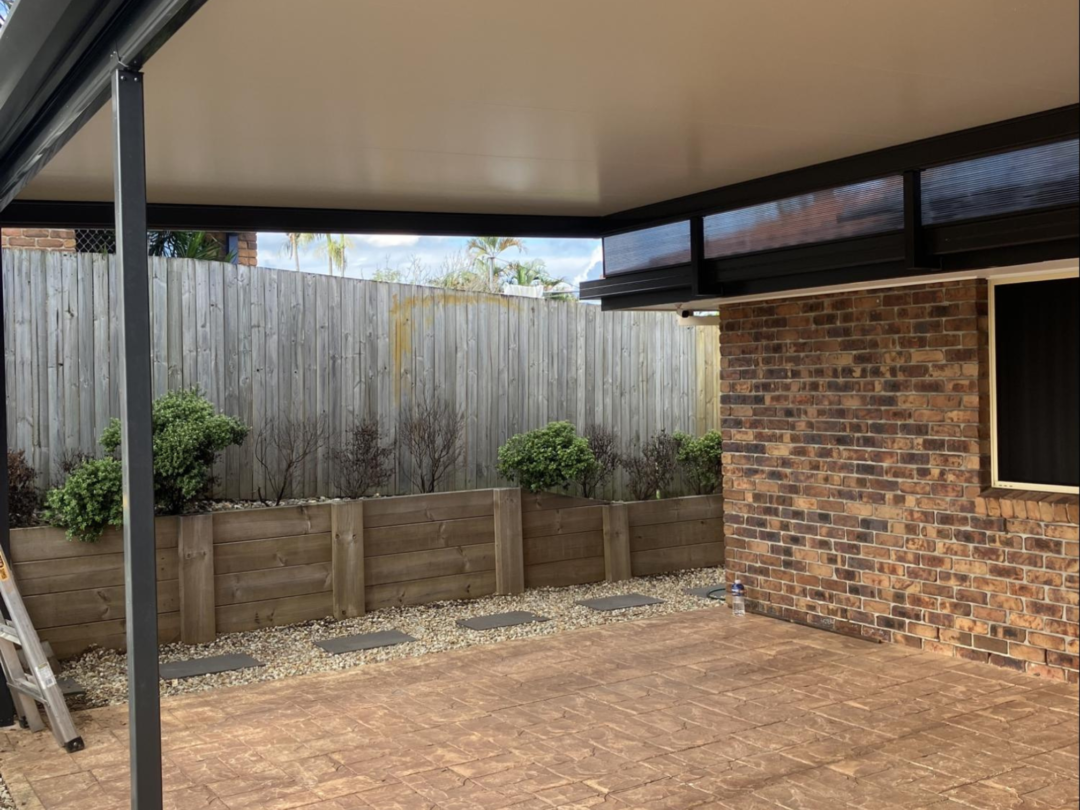
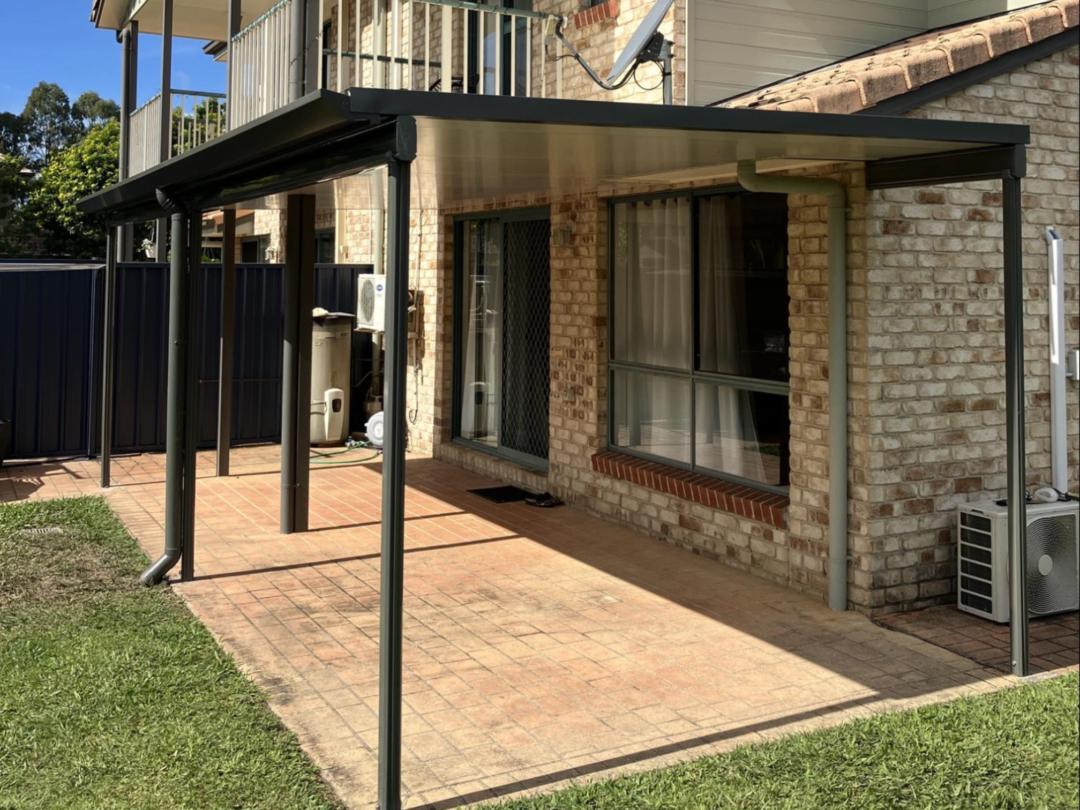
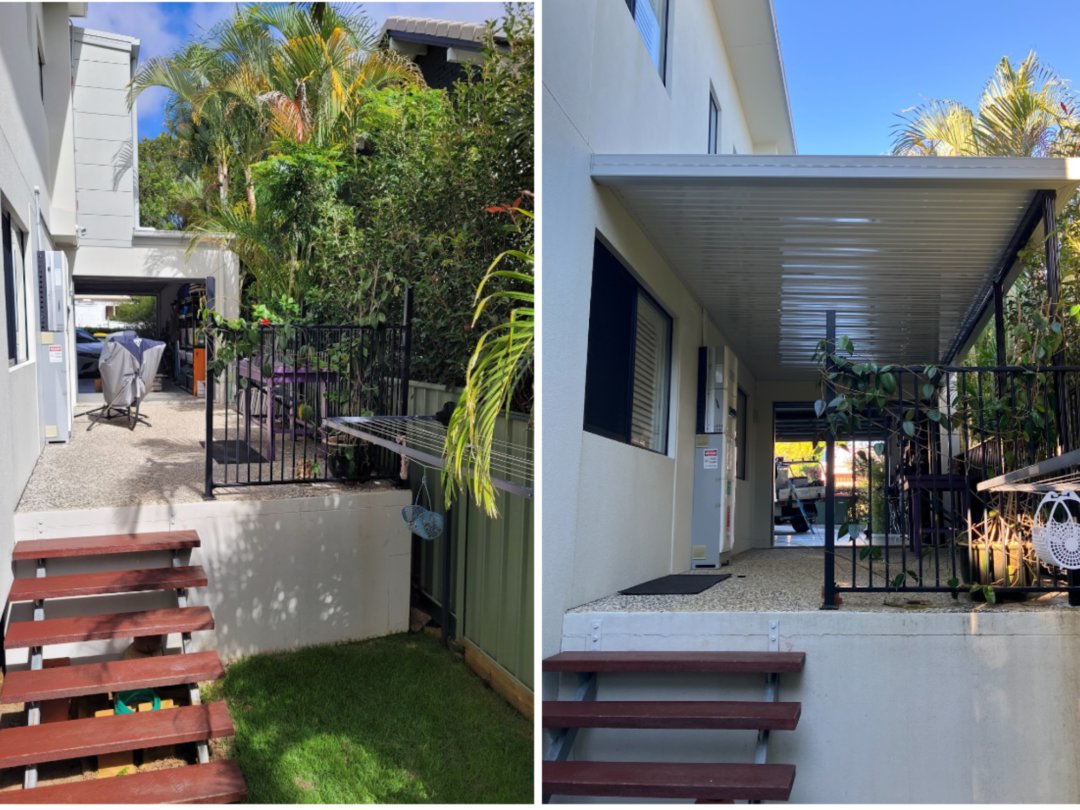
Attached skillion structures work beautifully when they create seamless transitions between indoor and outdoor spaces. They look wonderful over a paved area that’s home to a collection of potplants and cottage style outdoor furniture, like wrought iron seats, wooden tables and mabe even an outdoor love seat.
Perfect for:
- Creating outdoor dining rooms surrounded by cottage plantings
- Protecting delicate plants from harsh weather
- Housing outdoor kitchens while maintaining garden views
- Providing covered walkways through garden spaces
View this post on Instagram
Decorative Elements
Lattice panels can be incorporated into patio structures to support climbing plants while providing additional privacy and cottage garden charm.
Natural materials like timber posts help patio structures blend seamlessly with cottage garden plantings.
Practical Tips for Success
Soil Preparation
Cottage gardens thrive in well-draining soil enriched with compost. In SEQ’s clay soils, consider creating raised beds or adding substantial organic matter to improve drainage and fertility.
Watering Strategies
While many cottage plants are drought-tolerant once established, they’ll need regular watering through their first summer. Consider installing drip irrigation to maintain consistent moisture without waterlogging.
Seasonal Maintenance
Plan for seasonal pruning and deadheading to keep your cottage garden looking its best. Many cottage plants benefit from cutting back after flowering to encourage repeat blooms and maintain shape.
Plant Placement
Position heat-sensitive plants where they’ll receive protection from patio structures or larger shrubs. Use the microclimates created by your structures to expand your plant palette.
Cottage Style Outdoor Furniture
When selecting outdoor furniture to complete your cottage-style patio, embrace pieces that feel timeless, comfortable, and slightly weathered rather than pristine and modern. Wrought iron furniture with intricate scrollwork creates an authentic cottage feel, especially when paired with soft cushions in faded florals, gingham, or vintage-inspired patterns that can handle Australia’s UV exposure. Weathered timber pieces like a rustic wooden dining table with mismatched chairs or a painted garden bench add to the lived-in charm that cottage style celebrates. Wicker and rattan furniture work beautifully too, particularly when it has that slightly imperfect, handcrafted appearance rather than the sleek uniformity of contemporary outdoor sets. Layer in soft textiles through outdoor rugs in natural fibres, vintage-style throw pillows, and lightweight blankets that invite lingering over morning coffee or evening conversations. The key is to choose pieces that look like they’ve been collected over time rather than purchased as a matching set, creating that effortless, welcoming atmosphere where comfort takes precedence over formality and where every piece tells a story of outdoor living at its most relaxed and genuine.
Bringing It All Together
A successful cottage garden design creates the impression of effortless abundance while being carefully planned for success in your specific conditions. By choosing plants adapted to SEQ’s climate and pairing them with thoughtfully designed patio structures, you can create an outdoor space that’s both beautiful and functional.
The magic happens when structural elements and plantings work together to create a cohesive whole. Your pergola becomes a support for climbing roses, your patio cover frames views of flowering shrubs, and your cottage plants spill around and through the architectural elements to create that coveted sense of romantic abundance.
Whether you’re starting from scratch or adapting an existing garden, the cottage garden style offers endless possibilities for creating a space that’s uniquely yours while being perfectly suited to the Australian lifestyle. With the right combination of climate-appropriate plants and well-designed structures, your cottage garden will provide years of beauty, fragrance, and outdoor enjoyment.
Ready to create your own cottage garden paradise? The team at SEQ Patio Group can help you design the perfect patio structures to complement your cottage garden dreams. From romantic pergolas to practical patio covers, we’ll help you create the framework for your ideal outdoor living space.