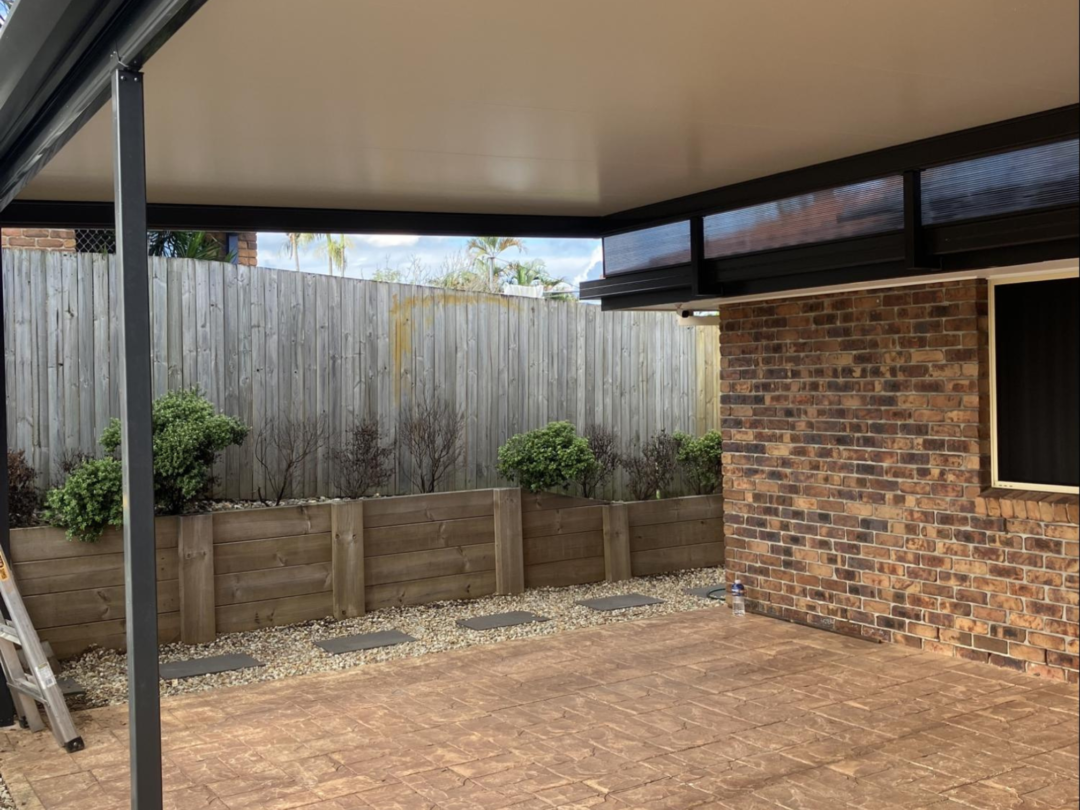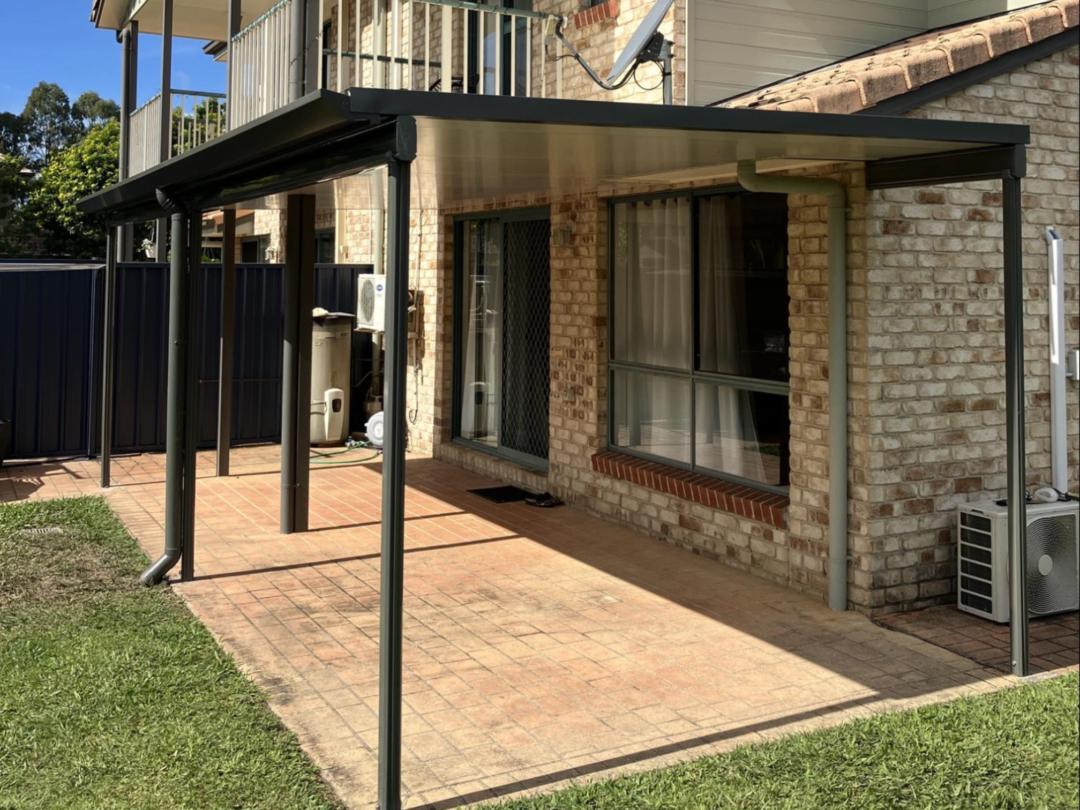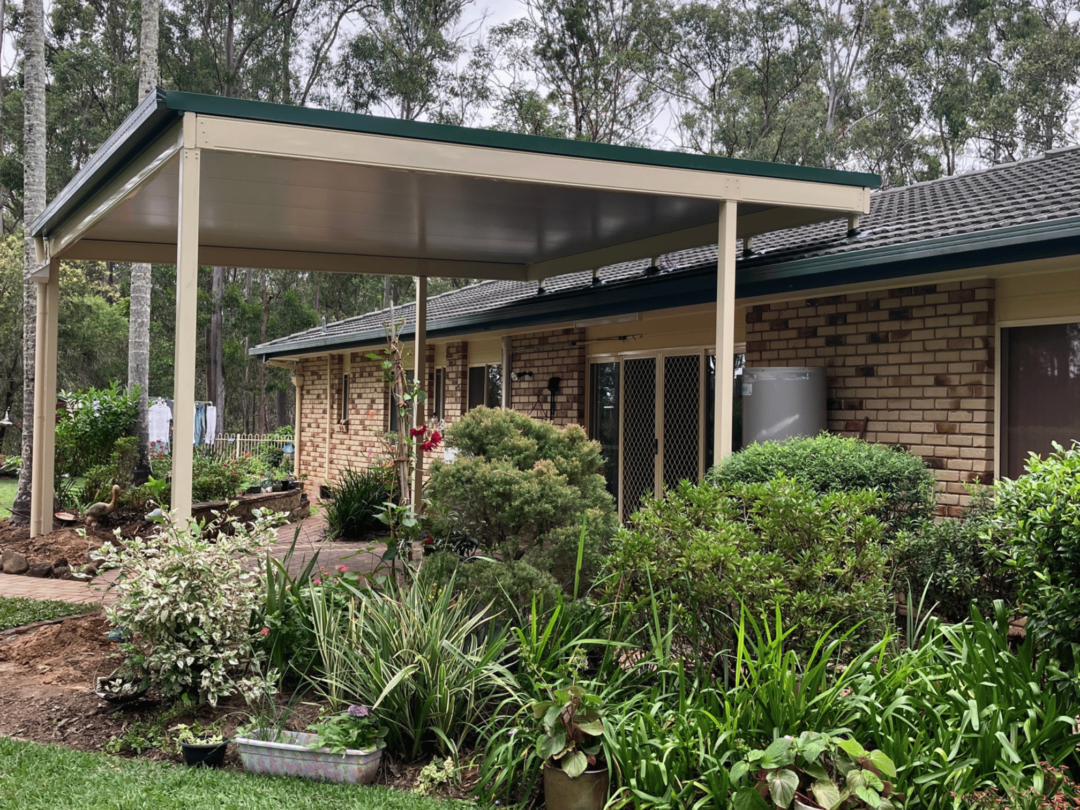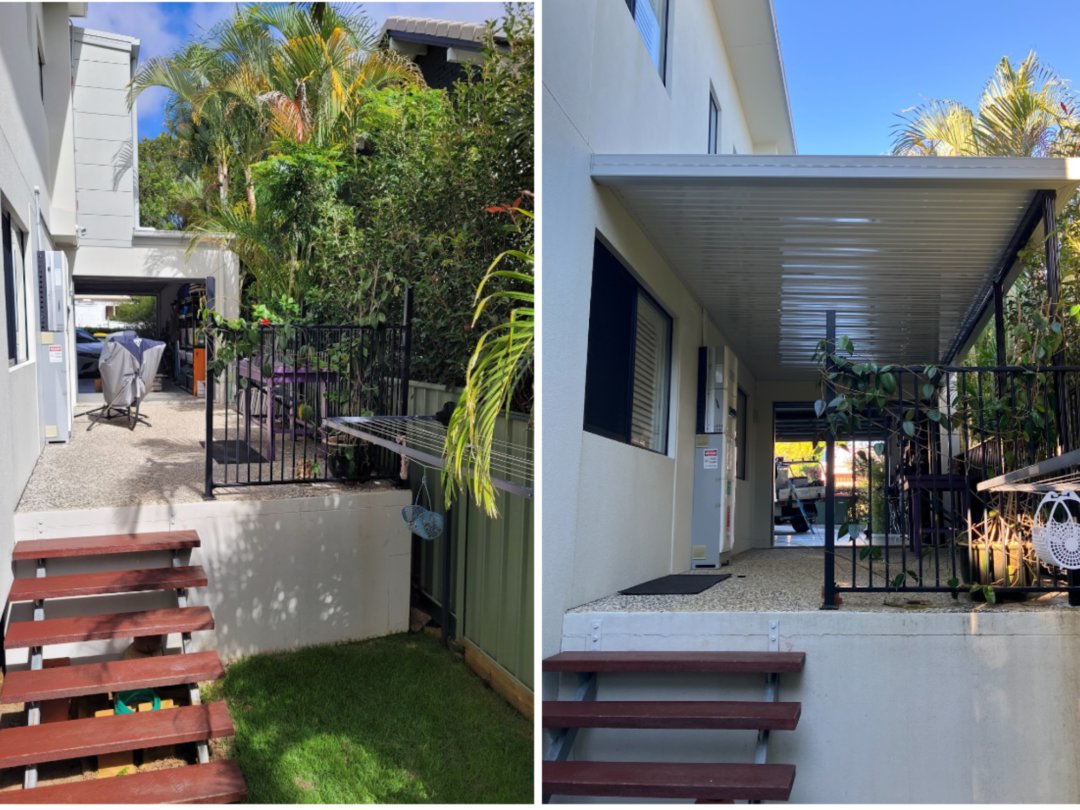
As much as we’d love all of our clients to use their patios 365 days a year, we understand there are periods where covered alfresco areas don’t get used. While some people love using their shaded outdoor space no matter the season, rugging up in winter or enjoying the pitter-patter on the roof during the wet season, some people don’t, and that’s perfectly okay. After all, a covered patio is all about flexibility and letting you use it how you want. Even the most avid patio users will go on holidays at some point, leaving their outdoor oasis behind for Bali or the Bahamas. That’s why it’s important to know how to look after your patio when no one is using it.
Whether it’s a two-week vacation, the entire wet season, or those cooler months when you’d rather be inside, protecting your patio during downtime ensures it’s ready and waiting whenever you want to return to outdoor living. Here’s everything you need to know about keeping your patio in pristine condition during periods of non-use.

Clean Before Covering
The most critical step in protecting your patio happens before you actually stop using it. A thorough deep clean prevents the vast majority of problems that can develop during periods of non-use. Organic matter left on surfaces doesn’t just sit there – it actively degrades materials, creates stains, and provides food for mould and pests.
Start from the top and work your way down. Clear your gutters and downpipes completely, as blocked drainage can cause water to overflow onto your patio area, leading to damage even on covered patios. Remove any leaves, twigs, or debris from your patio roof, paying special attention to valleys and corners where material tends to accumulate.
Your patio floor needs meticulous attention. Different surfaces require different cleaning methods, but the goal remains consistent: remove everything that could cause problems during your absence. For timber decking, use a stiff brush to clear between boards where moisture and organic matter love to hide. Pressure wash concrete and tiled surfaces, ensuring you treat any existing stains before they have months to set in permanently.
Don’t forget the often-overlooked elements. Clean light fixtures, ceiling fans, and any mounted decorations or fixtures. Dust and grime can permanently etch into these surfaces when left for extended periods. Window tracks, screen door rails, and any sliding mechanisms should be cleaned and lubricated to prevent them from seizing up during non-use.
Remove Your Patio’s Biggest Enemy – Moisture
Queensland’s humidity creates unique challenges for patio protection. Without the regular air circulation that comes from daily use, moisture builds up quickly and can cause extensive damage to furniture, fixtures, and the patio structure itself. Managing moisture effectively is the difference between returning to a fresh patio and dealing with mould, rust, and deterioration.
Strategic moisture control starts with proper ventilation. Even when your patio is closed up or covered, it needs to breathe. If you’ve installed cafe blinds or screens, resist the urge to seal everything completely. Leave gaps at the top or bottom for airflow, or crack open a panel on the lee side of prevailing winds. Stagnant air accelerates the deterioration of every material in your patio.
Deploy moisture absorbers liberally throughout your patio area. Calcium chloride crystals or silica gel packets placed under furniture covers, in storage boxes, and around the patio perimeter actively pull moisture from the air. For larger enclosed areas or extended periods of non-use, consider installing a dehumidifier on a timer or asking someone to run it periodically.
Pay special attention to trapped moisture zones. These include under furniture covers, behind stored items, and anywhere that two surfaces meet. These areas need extra protection through additional moisture absorbers or improved ventilation. A small battery-powered fan on a timer can work wonders in problem areas.
Professional-Grade Furniture Protection

Your outdoor furniture represents a significant investment that deserves proper protection during any period of non-use. The key is understanding that different materials require different protection strategies, and one-size-fits-all solutions rarely work effectively.
Quality covers are non-negotiable. Invest in heavy-duty, waterproof covers with UV resistance rated for Queensland conditions. Look for covers with reinforced seams, secure tie-downs or elastic hems, and built-in ventilation panels. The cover should fit snugly enough to stay in place during storms but loose enough to allow air circulation underneath.
Before covering any furniture, ensure it’s completely clean and dry. Even a small amount of moisture trapped under a cover can cause mould growth, rust formation, or fabric deterioration. For metal furniture, apply a protective spray to vulnerable areas like joints and welds. Timber furniture benefits from a fresh coat of appropriate oil or sealant before covering.
Group furniture strategically when covering. Smaller pieces can be grouped together and covered as a unit, which provides better protection and uses fewer covers. Position furniture away from areas where water might pool or run off, even on covered patios. Stack or nest pieces where possible to minimise the footprint and make covering more effective.
Bring Fabrics Inside
Cushions, pillows, outdoor rugs, and fabric accessories require special attention during patio downtime. These items are particularly vulnerable to Queensland’s weather conditions and simply cannot be left outside during extended periods of non-use, regardless of how well they’re covered.
Remove all soft furnishings and store them in a climate-controlled environment. Your home’s interior is ideal, but a dry garage or sealed storage unit also works well. Before storage, ensure everything is thoroughly cleaned according to manufacturer’s instructions and completely dry. Even slight dampness can lead to mould growth that permanently ruins fabrics.
Use breathable storage solutions rather than plastic bags, which can trap moisture and create a greenhouse effect. Canvas storage bags, old cotton sheets, or purpose-built breathable storage containers all work well. Add cedar blocks, lavender sachets, or moisture-absorbing packets to provide extra protection against both insects and humidity.
Pest Prevention During Downtime

An unused patio is an invitation for various pests to move in. From possums setting up residence in your outdoor kitchen to wasps building nests in covered areas, prevention during periods of non-use is far easier than eviction after the fact.
Eliminate all food sources completely and thoroughly. Clean your barbecue inside and out, removing all grease and food residue. Empty and clean outdoor fridges, ensuring door seals are clean and dry. Remove or securely seal any pet food, bird seed, or other potential food sources. Even the smallest crumbs can attract ants, which in turn attract spiders and other predators.
Seal potential entry points to covered areas and storage spaces. Use steel wool to block small gaps where rodents might enter. Install or repair screening on larger openings. Pay particular attention to where utilities enter your patio space – these are common highways for pest invasion. Apply appropriate sealants around pipes and cables.
Deploy deterrents appropriate to your situation. Natural options like peppermint oil-soaked cotton balls can discourage rodents. Ultrasonic devices may help with larger pests. Certain plants naturally repel insects if you’re only closing up for shorter periods. However, ensure any deterrent method won’t cause staining or damage during your absence.
Surface-Specific Protection Protocols
Each surface material in your patio requires targeted protection strategies. Understanding these differences ensures comprehensive protection that prevents deterioration during non-use periods.
Timber surfaces are particularly vulnerable to moisture damage during periods of non-use. Apply a fresh coat of appropriate sealant or oil before any extended downtime. This is especially critical before the wet season or extended absences. Ensure timber furniture is elevated slightly off the ground to prevent moisture wicking. Cover with breathable materials that prevent water ingress while allowing the wood to adjust to temperature and humidity changes.
Metal components require dedicated rust prevention. Ensure all metal surfaces are completely dry before covering or closing up your patio. Apply a protective spray or wax to vulnerable areas, including joints, welds, and any spots where the protective coating might be compromised. Even stainless steel can develop surface rust in coastal areas when left unattended for extended periods.
Stone, concrete, and tiled surfaces benefit from sealing before extended non-use. This prevents staining from leaves, bird droppings, or other organic matter that might accumulate. Check grout lines in tiled areas and reseal if necessary – water penetration through damaged grout can cause significant problems, including lifting tiles and substrate damage.
Storm and Wind Protection
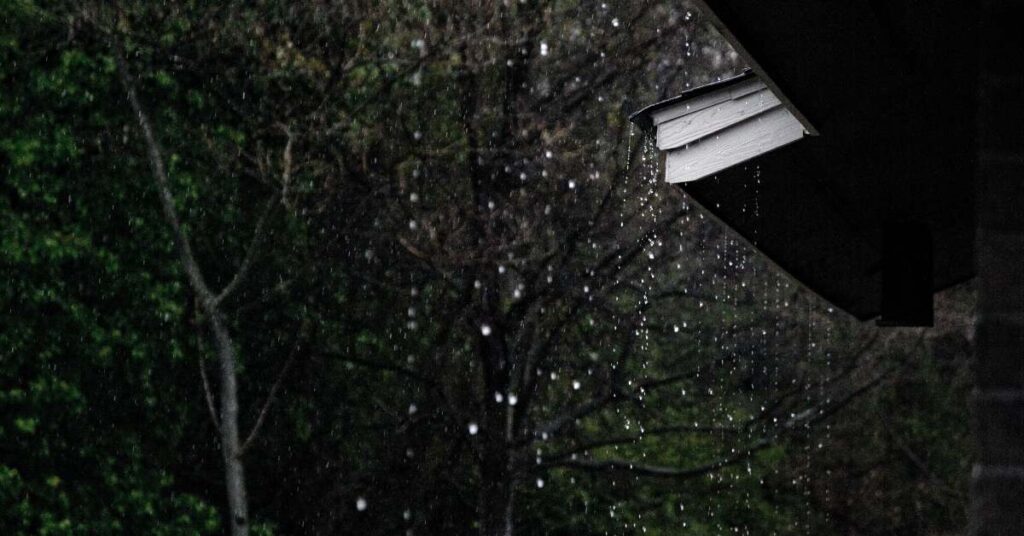
Queensland’s weather can change rapidly, and securing your patio against storms is crucial when you won’t be around to respond to warnings. This protection is essential whether you’re away for a weekend or avoiding outdoor areas during cyclone season.
Remove or secure all items that could become projectiles in strong winds. This includes pot plants, decorative items, and lightweight furniture. What seems perfectly safe during normal conditions can become dangerous in unexpected storms. Store these items in a shed or garage, or secure them with appropriate tie-downs rated for high winds.
Check and secure structural elements of your patio. Shade sails should be removed or properly tensioned and secured. Retractable awnings must be fully retracted and locked. Umbrellas should be removed from their bases and stored horizontally. Cafe blinds or screens should be checked for secure attachment and any damaged sections repaired or removed.
Create wind barriers where possible by grouping heavy furniture together in the most protected area of your patio. Interlock pieces where possible to create a more stable mass. Position items away from windows and glass doors to prevent damage if something does move during extreme weather.
Establishing a Maintenance Schedule
Even during periods of non-use, your patio requires periodic attention to prevent small issues from becoming major problems. The frequency and extent of maintenance depends on your specific situation, but having a schedule ensures nothing is forgotten.
For short absences like holidays, arrange for someone to check your patio after any severe weather events. Provide them with a simple checklist: Are covers still secure? Is there any visible damage? Are drainage systems clear? This five-minute check can prevent minor issues from escalating into costly repairs.
During seasonal closures, commit to monthly personal inspections. Walk through the space, check for signs of pest activity, ensure covers remain properly positioned, and address any issues immediately. These regular checks also help you identify when conditions might be suitable for occasional use, even during typically unused periods.
For extended absences exceeding three months, consider professional property maintenance services that include patio care. The cost is minimal compared to potential repair bills from unnoticed damage. Professional services can also perform preventive maintenance like gutter cleaning and surface treatment that might be due during your absence.
Smart Technology Solutions

Modern technology offers excellent tools for protecting and monitoring your patio during periods of non-use. These solutions provide peace of mind and enable rapid response to developing issues, whether you’re across town or across the world.
Security cameras with remote viewing capabilities allow you to check your patio anytime. Look for weather-resistant models with night vision and motion detection. Some systems can send alerts for unusual activity or environmental changes, allowing you to coordinate responses through neighbours or property managers.
Weather monitoring systems provide real-time data about conditions at your property. Knowing when extreme weather events occur helps you arrange appropriate responses. Advanced systems can trigger automatic responses like closing motorised screens when wind speeds exceed predetermined limits or alerting you to temperature extremes that might affect stored furniture.
Smart patio integration can maintain your patio even when you’re not there. Smart switches can cycle lights to deter both pests and potential intruders. Some systems even allow you to remotely control dehumidifiers or fans to manage moisture levels.
Your Patio, Protected and Ready
Your patio is a valuable addition to your Queensland home, designed to enhance your lifestyle on your terms. Whether you use it daily, seasonally, or anywhere in between, proper protection during periods of non-use ensures it’s always ready when you are.
The investment of time and resources in protection pays dividends through extended furniture life, reduced maintenance costs, and the peace of mind that comes from knowing your outdoor sanctuary is safe. Most importantly, it means that whenever you decide to return to patio life – whether that’s after a week in Bali or a winter spent indoors – your alfresco area is ready to welcome you back in perfect condition.
By following these protection strategies, you’re not just maintaining a structure; you’re preserving a lifestyle asset that adds value to your home and quality to your life.